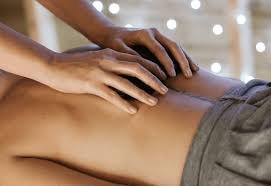
In 2026, Korean sports 마사지 is evolving rapidly, blending the country’s signature intense, pressure-focused traditional techniques (like anma-inspired deep tissue and meridian work) with cutting-edge technology for faster, more precise athlete recovery. South Korea’s tech-savvy wellness scene—fueled by innovations from companies like Ceragem, Bodyfriend, and emerging AI platforms—is leading the charge, turning recovery from a passive ritual into a data-driven, personalized process.
This shift aligns perfectly with Korea’s high-performance culture: professional athletes (K League, baseball, esports pros), gym-goers, and corporate warriors dealing with overuse injuries seek quicker bounce-back to maintain peak output. Here’s a breakdown of the key tech-infused trends dominating Korean sports massage and recovery in 2026.
1. AI-Powered Personalized Protocols
Massage sessions now use AI to analyze muscle tension, posture, and recovery data in real time. Wearables or in-clinic scanners feed info to create custom pressure maps—targeting knots, meridians, and weak spots with optimal intensity and duration. This reduces session times by 15-20% while boosting efficacy for sports-specific needs (e.g., calf recovery for runners or shoulder relief for swimmers). Major chains and premium spas in Gangnam/Seoul are rolling out AI-driven deep tissue plans, often integrated with apps for pre/post tracking.
2. Robotic and Automated Massage Systems
Robotic arms and full-body pods deliver consistent, tireless deep pressure—mimicking “ajumma hands” but with precision. AI adapts on the fly using sensors for muscle feedback, avoiding over-pressure while hitting deep layers.
- Examples include AI massage chairs/beds (like those showcased by Korean brands at CES 2026) with thermal elements, variable amplitude, and adaptive rollers.
- Robotic stations in high-traffic jjimjilbang-style centers offer 24/7 access—perfect for late-night athletes or shift workers. These provide therapeutic depth without human fatigue, appealing to pros who need frequent, reliable sessions.
3. Integration of EMS, Heat, Cryotherapy, and Multi-Modality Tech
Hybrid treatments combine manual/traditional pressure with tech add-ons:
- EMS (Electrical Muscle Stimulation): Contracts muscles during massage for enhanced recovery and strength building.
- Heat/Red Light Therapy: Boosts circulation and reduces inflammation—often paired with deep kneading.
- Cryotherapy elements: In advanced pods for targeted cooling to speed post-exercise soreness relief. Multi-therapy pods (e.g., integrating LED, EMS, aroma, and sound) deliver full recovery in one session, popular in sports clinics and upscale wellness centers.
4. Home & Portable Tech Boom
Massage chairs and guns explode in popularity, with AI features for personalized routines. Brands push “smart” devices that learn user patterns, track progress, and suggest protocols. This extends pro-level recovery to home use—athletes use them post-training, complementing in-person traditional sessions.
5. Broader Wellness Crossover
Sports massage trends tie into larger 2026 shifts: bamboo tools for dynamic athletic work, gua sha-inspired full-body rituals for fascia release, and VR/AR relaxation overlays during sessions for mental reset. Jjimjilbang evolve with tech-monitored saunas and recovery zones.
In essence, 2026 Korean sports massage is about efficiency meets tradition—intense pressure for real relief, supercharged by AI, robotics, and bio-hacks to minimize downtime and maximize performance. It’s no longer just “strong hands”; it’s smart, adaptive healing tailored to modern demands. Spots in Gangnam or high-end jjimjilbang increasingly offer these hybrid experiences—book via Klook or apps for English support if you’re visiting. The future feels faster, deeper, and more effective than ever!