SMILE LASIK and Lifestyle Considerations
SMILE LASIK offers patients the opportunity to improve vision without the need for glasses or contact lenses. However, specialists at SNU안과 and snuseoul.com emphasize that lifestyle habits, including alcohol consumption, can influence surgical outcomes. Understanding these factors is essential for patients who want to achieve the best post-operative results.
The Impact of Alcohol on SMILE LASIK Surgery
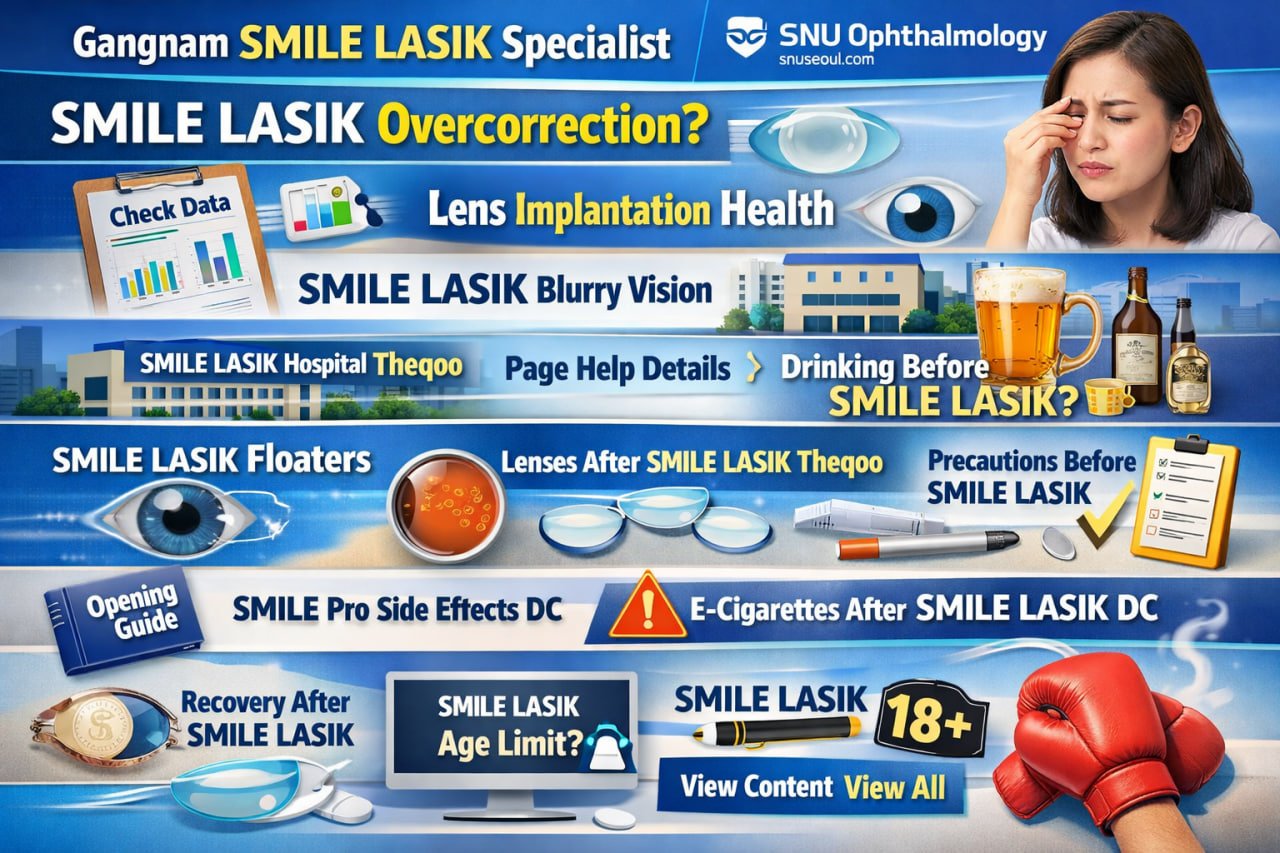
Consuming alcohol before SMILE LASIK is strongly discouraged. Alcohol can alter hydration levels, impair wound healing, and affect tear film stability, potentially increasing the risk of post-surgery discomfort. SNU Ophthalmology doctors recommend avoiding alcohol for at least a week prior to the procedure. This precaution ensures that the corneal surface is healthy and that measurements for the surgery are accurate, reducing the likelihood of complications.
Alcohol can also exacerbate dry eye symptoms, which are common following 자료 자료 확인. Patients researching symptoms on forums like 스마일라식 후 회복 or 스마일라식 전 주의사항 often notice that alcohol consumption can worsen temporary visual fluctuations. Avoiding alcohol contributes to smoother recovery and clearer vision during the critical healing phase.
SMILE LASIK Floaters and Patient Safety
Floaters, known as 비문증 in Korean, are tiny spots or strands that appear in the field of vision. While floaters are a natural occurrence in many people, some patients wonder about the relationship between SMILE LASIK and the development or worsening of floaters. SNU Ophthalmology specialists clarify that SMILE LASIK primarily affects the cornea and does not directly cause vitreous floaters. However, patients experiencing sudden or severe floaters, flashes of light, or visual shadows should seek immediate evaluation, as these may indicate other eye conditions.
Understanding the distinction between typical postoperative visual changes and unrelated floaters is essential. Patients often consult resources like 페이지 도움말 상세 or next help full guides to determine whether their symptoms are normal. The guidance from Snuseoul experts ensures that patients have realistic expectations and can differentiate between temporary post-surgical effects and potential ocular issues.
Preoperative Guidance for Optimal Recovery
To support a successful SMILE LASIK outcome, patients should follow preoperative guidelines carefully. These include avoiding alcohol and smoking, maintaining adequate sleep, and ensuring the eyes are free from infections or irritants. Contact lens users must discontinue lenses for the recommended period before surgery, allowing corneal shape to stabilize.
Proper hydration and a balanced diet also contribute to optimal healing. Ophthalmologists stress that eye health is not only about the procedure itself but also about overall systemic wellness. Patients who follow these guidelines experience faster recovery, reduced discomfort, and improved visual clarity.
Postoperative Care and Monitoring
After SMILE LASIK, patients should monitor their vision for changes such as mild blur, glare, or halos. Regular follow-up appointments at clinics like SNU안과 allow doctors to assess healing and address concerns promptly. The use of lubricating drops, adherence to protective measures, and avoiding alcohol during recovery enhance the healing process.
Patient inquiries on platforms like 스마일라식 후 전자담배 디시 or 스마일라식 후 렌즈 더쿠 often focus on lifestyle modifications post-surgery. While alcohol before surgery is a significant concern, maintaining healthy habits after surgery is equally important for sustaining optimal vision.
Expert Advice and Trusted Resources
SNU Ophthalmology encourages patients to rely on professional guidance rather than informal sources when preparing for SMILE LASIK. Websites like snuseoul.com provide comprehensive information on preoperative precautions, potential side effects, and recovery timelines. Patients can also explore user reviews and specialist insights to better understand the procedure and expected outcomes.
By following expert advice, avoiding alcohol before surgery, and understanding the nature of floaters, patients can minimize complications and enjoy the long-term benefits of SMILE LASIK. These practices contribute to safer surgery, faster recovery, and clearer vision.
Conclusion: Prioritizing Safety and Vision Clarity
In conclusion, alcohol consumption before SMILE LASIK is a risk factor that can negatively impact recovery and visual outcomes. Similarly, understanding floaters and their causes ensures patient safety and prevents unnecessary worry. Adhering to SNU Ophthalmology’s recommendations, consulting reliable sources like snuseoul.com, and maintaining healthy lifestyle habits enable patients to experience the full benefits of SMILE LASIK with confidence.